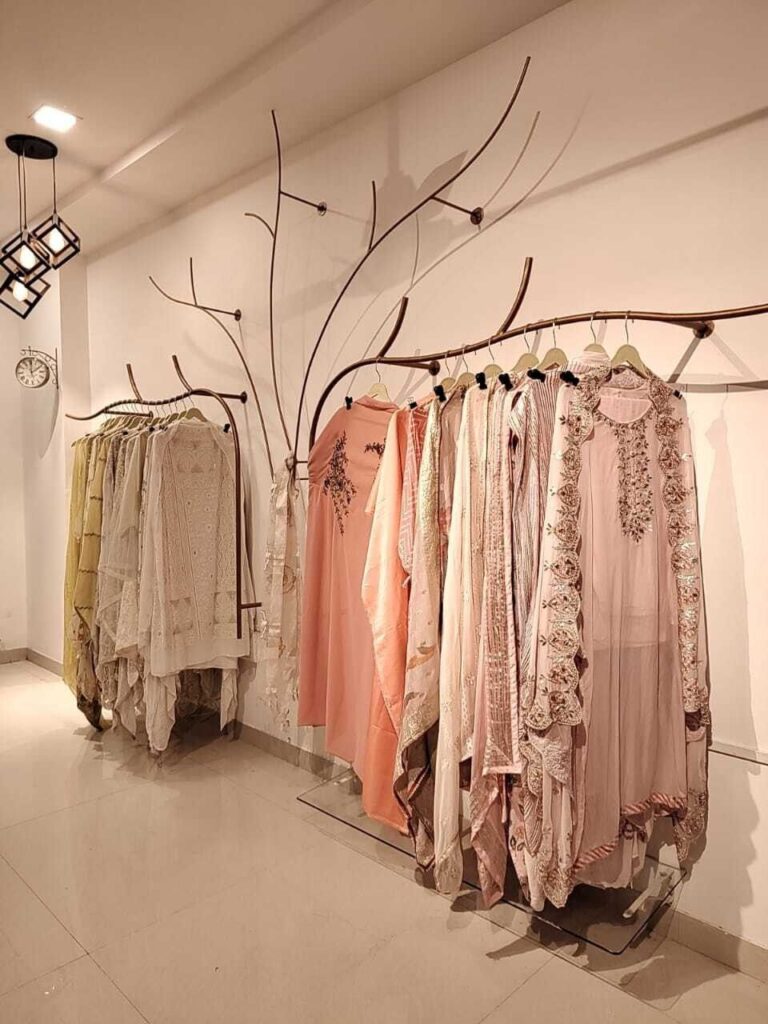
Heritage and Modernity: The Evolution of Ethnic Wear.
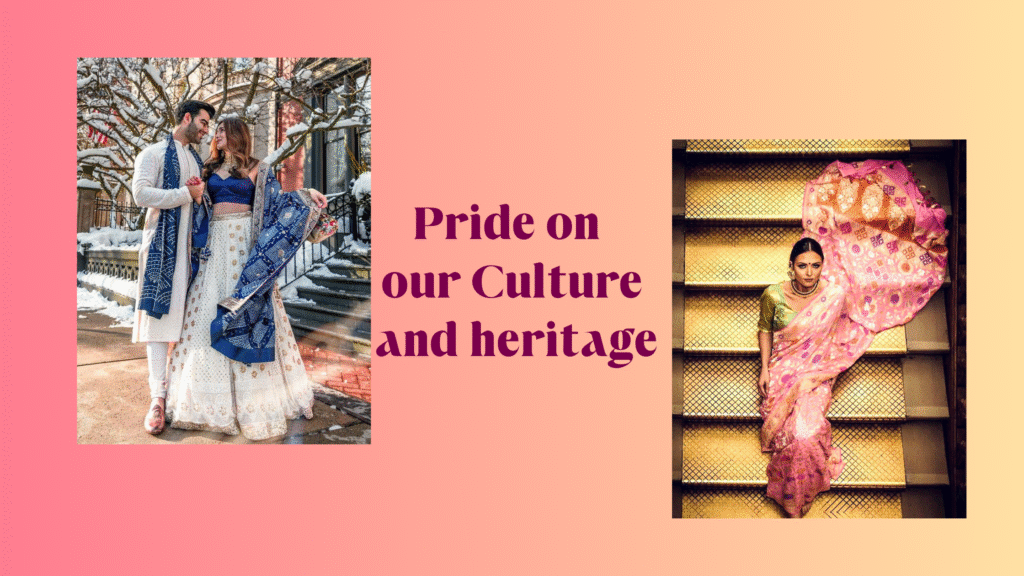
Ethnic wear has always been more than just clothing — it is a living expression of history, craftsmanship, and cultural identity. Over the years, it has evolved from purely traditional attire to a vibrant fusion of heritage and modernity, reflecting the changing tastes, lifestyles, and aspirations of new generations.
1. Roots in Heritage:
- Cultural Identity – Traditional ethnic wear like sarees, lehengas, sherwanis, anarkalis, and dhotis originated from centuries-old customs and regional artistry.
- Craftsmanship – Handloom weaving, intricate embroidery (zardozi, chikankari, kantha), natural dyeing, and block printing preserve artisanal legacies.
- Symbolism – Colors, motifs, and fabrics often hold spiritual or social meanings — from auspicious red bridal lehengas to the white sarees of mourning.
2. The Influence of Modernity:
- Fusion Styles – Indo-western gowns, saree gowns, peplum blouses with lehengas, and kurta-dresses blend global silhouettes with Indian detailing.
- Fabric Innovation – Lightweight georgettes, chiffons, and sustainable blends make traditional attire more functional and travel-friendly.
- Minimalist Aesthetics – Modern ethnic wear often embraces cleaner cuts, solid tones, and understated embellishments for contemporary appeal.
3. Globalization and Cultural Exchange:
- Bollywood, social media, and celebrity fashion have made ethnic styles popular on international red carpets and runways.
- Global designers borrow from Indian craft traditions, while Indian designers incorporate Western tailoring and draping techniques.
4. Technology & Retail Revolution:
- E-commerce boom – Online ethnic wear platforms have democratized access to regional crafts.
- Virtual Try-Ons – AR/VR technology allows customers to “try” ethnic outfits digitally.
- Sustainable Fashion – Conscious buyers are pushing brands to revive handlooms and eco-friendly dyes.
5. The New Age Ethnic Wardrobe:
Today’s ethnic wear is versatile — a silk saree might be paired with a crop top, a kurta with denim, or a lehenga skirt worn as streetwear. It is no longer confined to festive occasions but is also styled for work, travel, and casual outings.
The evolution of ethnic wear represents a fascinating journey that blends heritage and modernity, reflecting the cultural identity, traditions, and changing lifestyles of communities.
Roots and Historical Significance:
Ethnic wear is deeply rooted in cultural heritage, serving as a symbol of social status, regional identity, and cultural expression. Traditional clothing, such as the Indian saree, salwar kameez, and lehenga, has been crafted from natural fibers like cotton, silk, and wool, carefully woven into intricate patterns with embroidery and beadwork. These garments are suited to the local climate and customs, with variations across regions.
Impact of Colonialism and Globalization:
Colonialism and globalization introduced new designs and cross-cultural influences, leading to the incorporation of Western styles into ethnic wear. Despite these influences, there has been a persistent reverence and revival of traditional attire post-independence, with renewed pride in handwoven fabrics, especially khadi, symbolic of national identity and self-sufficiency.
Contemporary Trends:
- Fusion Fashion: One of the most notable modern trends is fusion fashion, where traditional garments are paired with Western clothing to create unique and stylish outfits—e.g., kurtas with jeans or sarees draped in experimental styles. This trend allows for personal expression while staying connected to cultural roots.
- Sustainability and Ethical Fashion: Modern ethnic wear is also increasingly focused on sustainability, with demand for organic fabrics, handloom textiles, and eco-friendly dyes. This trend supports local artisans and preserves traditional crafts, blending environmental consciousness with cultural preservation.
- Minimalism and Modern Cuts: Ethnic wear has evolved to feature simpler designs and minimal embellishments, making it suitable for everyday wear. The cuts and fabrics have adapted to comfort and style in modern lifestyles.
- Celeb and Influencer Influence: Bollywood and fashion influencers play a major role in popularizing ethnic wear by infusing contemporary looks while honoring tradition.
- Gender-Neutral Styles: Some designs have moved beyond gender-specific tailoring, reflecting changing societal norms.
The Future of Ethnic Wear:
The future of ethnic wear lies in a harmonious balance between tradition and innovation. The continuation of sustainable practices, fusion fashion, and technological advancements in fabric and design will shape ethnic wear in ways that keep it relevant, stylish, and deeply rooted in cultural heritage.
Summary:
Ethnic wear today is more than just clothing—it represents a celebration of cultural heritage seamlessly blending with modern fashion. Its evolution from purely traditional attire to contemporary fusion styles underscores the adaptive spirit of cultures in a globalized world. Preserving craftsmanship while embracing creativity and sustainability defines the trajectory of ethnic wear as it continues to evolve.
This overview draws from insights on the deep cultural roots, historical changes, and modern fashion innovations shaping ethnic wear’s evolution from heritage to modernity.
Conclusion:
The journey of ethnic wear is a dialogue between past and present — where ancient weaves meet modern cuts, and heritage art forms find expression in contemporary lifestyles. This evolution doesn’t replace tradition; instead, it reimagines it, ensuring that cultural roots stay relevant in a rapidly globalizing world.
To create a blog post on heritage and modernity in ethnic wear, focus on how designers blend traditional craftsmanship, patterns, and silhouettes with contemporary cuts, styles, and fabrics to appeal to a modern audience while preserving cultural roots. Use examples of specific garments, such as kurtis or lehengas, to illustrate these fusion concepts and discuss how accessories, colors, and sustainable practices also contribute to the modernized ethnic look, allowing for personal expression and connection to cultural identity.
1. Introduction: Bridging Generations:
- Hook:Start by highlighting the enduring appeal of ethnic wear and its ability to connect individuals to their cultural heritage.
- Thesis:Introduce the idea that ethnic wear is not static; it’s a dynamic form that evolves to reflect contemporary tastes and trends, offering a perfect blend of old and new.
2. Heritage: The Soul of Ethnic Wear:
- Cultural Significance:Explain how ethnic wear, like Indian sarees or Japanese kimonos, embodies cultural values, traditions, and history.
- Traditional Elements:Discuss the importance of traditional craftsmanship, such as handloom weaving, intricate embroidery, and natural dyes, in preserving heritage.
- Timeless Appeal:Emphasize how traditional designs and patterns often become a source of inspiration for new collections, ensuring their survival and reinterpretation.
3. Modernity: Reimagining Traditional Silhouettes:
- Innovative Cuts:Describe how designers are incorporating contemporary silhouettes, such as fusion styles or modern cuts, into traditional garments.
- Contemporary Fabrics & Colors:Mention the use of new fabrics or the popular trend of pastel colors that offers a fresh, modern aesthetic while maintaining elegance.
- Versatile Garments:Highlight how garments like kurtis and co-ord sets are becoming more flexible and suitable for various occasions, from festivals to workplaces.
4. The Art of Fusion:
- Examples:
- Pre-draped sarees: Mentioning pre-draped sarees as an example of modern convenience adds to a traditional garment.
- Fusion co-ord sets: Discussing crop top and skirt duos or kurta-pant combos that offer style and ease.
- Contemporary lehengas: Showcasing modern lehenga designs, possibly with unique pastel colors or minimalist designs, as a blend of royal elegance and modern romance.
- Styling & Accessories:Explain how personal style can be expressed by pairing modern ethnic pieces with contemporary accessories, footwear, or hairstyles.
5. The Broader Impact:
- Sustainable Fashion:Link the revival of ethnic wear to sustainability, as many traditional methods use eco-friendly materials and practices.
- Cultural Connection:Reiterate how embracing modernized ethnic wear allows people to celebrate their culture and express their identity with pride.
6. Conclusion :
Future Outlook: Conclude by emphasizing that the future of ethnic wear lies in its ability to adapt and blend, ensuring that it remains relevant and cherished across generations.