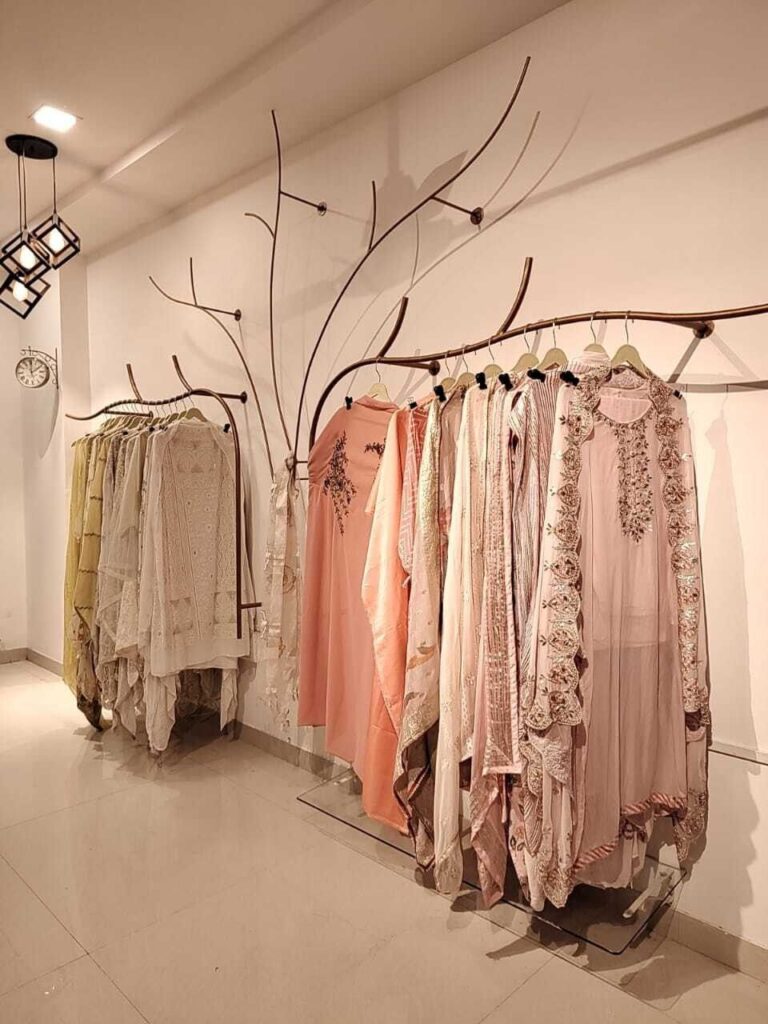
Wardrobe tips for ethnic wear:
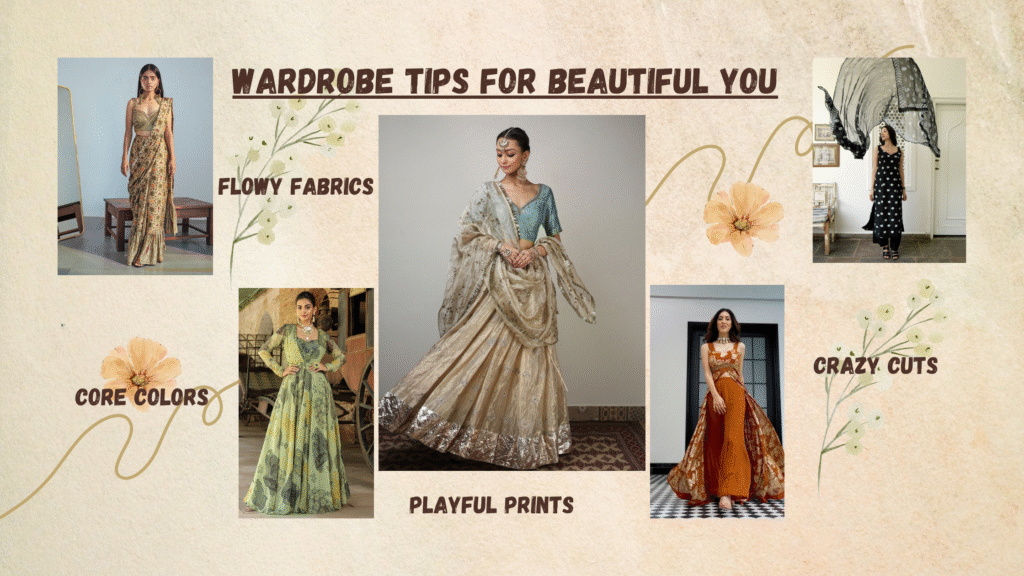
HOW TO STYLE ETHNIC OUTFITS IN WINTER | STYLING TIPS:
Here are some practical and stylish wardrobe tips for ethnic wear to help you look elegant and confident:
- Mix traditional and modern styles:
- Try fusion by pairing kurtas with jeans or crop tops with lehengas for a contemporary twist.
- Experiment with modern cuts like cape-style blouses or dhoti sarees to add uniqueness.
- Select the Right Fabric and Fit:
- Choose breathable fabrics like cotton or linen for everyday comfort.
- Use luxurious fabrics such as silk, velvet, or blends for special occasions.
- Ensure clothes fit well to enhance your silhouette and comfort.
- Play with Colors and Prints:
- Combine neutral outfits with bright or contrasting accessories, like dupattas or blouses.
- Incorporate pastel shades and floral prints for a fresh and feminine look.
- Accessorize Thoughtfully:
- Opt for minimalist jewelry such as sleek jhumkas, small studs, or delicate chains for a modern vibe.
- Use statement pieces like maang tikkas or a bold necklace sparingly to elevate the look.
- Carry clutches or potli bags and consider trendy footwear like Kolhapuris or block heels.
- Balance Your Look for Different Occasions:
- For office-ready ethnic wear, prefer formal shirt-style kurtas, subdued tones, and minimal accessories.
- Choose heavier, embellished pieces for weddings and lighter, subtle fabrics for casual or professional settings.
- Hairstyle and Makeup:
- Hairstyles like neat buns, braids, or soft waves complement ethnic wear elegantly.
- Keep makeup natural with light foundation, kohl, and nude lips for a polished appearance.
- Layer and Style with Confidence:
- Add layers such as jackets, shawls, or dupattas to enhance depth and style.
- Your confidence and posture are key accessories that complete any ethnic outfit.
By combining tradition with a modern flair and paying attention to fabric, fit, and accessories, you can create versatile, stylish ethnic looks that stand out for every occasion.
Here’s a practical yet stylish list of wardrobe tips for ethnic wear so your collection stays versatile, timeless, and easy to style:
1. Build a Strong Base:
- Core Colors First – Invest in classic shades like ivory, beige, navy, black, and deep maroon for kurtas, sarees, or lehengas. They’re easy to re-style.
- Season-friendly fabrics – cotton, linen, and khadi for summer; silk, velvet, and brocade for winter/festive wear.
2. Mix & Match Game:
- Keep neutral bottoms (palazzos, churidars, skirts) to pair with many kurtas/tops.
- Use statement dupattas to instantly refresh an old outfit.
3. Smart Layering:
- Add ethnic jackets or capes for a fusion touch.
- Keep a couple of stoles or shawls that double as style and warmth for winter weddings.
4. Fit & Fall Matter:
- Tailoring is key – even budget outfits look luxe when they fit perfectly.
- Keep alteration-friendly margins in your outfits for long-term wear.
5. Accessorizing Right:
- Gold-toned and silver-toned jewelry sets go with almost everything.
- Mojaris, juttis, and embroidered sandals are must-haves.
6. Care & Storage:
- Silks & heavy embroidery – store in breathable fabric bags with neem leaves or silica gel pouches.
- Air out zari and brocade pieces every few months to avoid dullness.
7. Trend with Caution:
- Follow trends in smaller pieces (blouses, dupattas, jewelry) rather than investing in full trendy outfits.
- Keep your base wardrobe timeless so you can just add seasonal highlights.
To create a versatile ethnic wardrobe, invest in versatile basics, such as cotton kurtis and straight-cut blouses, and experiment with mixing and matching different pieces, colors, and textures to create custom looks. Choose accessories wisely, like statement jewelry, elegant clutches, or traditional juttis, to complete your ensemble for different occasions. Pay attention to fabric choice based on the climate, opting for lightweight cottons and linens in warm weather and heavier fabrics like silk or wool in cooler climates. Finally, stay updated on current trends, like fusion silhouettes and pastels, to keep your style contemporary.
1. Start with the basics and build a versatile collection:
- Invest in core pieces:Build your wardrobe around versatile items like plain cotton kurtis, straight-cut blouses, and neutral-colored bottom wear.
- Mix and Match:Create unique outfits by pairing different kurtas, bottoms (like palazzos, leggings, or even denim jeans for a fusion look), and dupattas.
2. Master the Art of Color and Fabric:
- Embrace vibrant colors:Indian fashion is known for its rich palette. Don’t be afraid to experiment with bold and eye-catching hues like royal blue or emerald green.
- Choose fabrics wisely:Select fabrics based on your climate and the occasion.
- Warm weather: Lightweight, breathable fabrics like cotton and linen are excellent for staying cool.
- Cooler weather: Opt for heavier fabrics like wool or silk.
- Formal events: Consider luxurious textures such as satin or silk blends.
3. Accessorize to Elevate Your Look:
- Statement jewelry:Use bold necklaces, oversized earrings, or traditional jhumkas to enhance your ethnic outfits.
- Footwear:Pair your outfits with juttis (traditional Indian flats) or delicate sandals and heels, depending on the formality of the event.
- Bags:A chic clutch or a traditional potli bag can add flair to your outfit.
- Layering:Add a stylish jacket, a contrasting belt for a cinched waist, or a decorative dupatta for an interesting dimension.
4. Consider the Occasion:
- Casual outings:Mix a cotton kurta with denim jeans, minimal jewelry, and comfortable juttis for a chic and relaxed look.
- Formal events:Layer a silk saree with a modern blouse and statement jewelry, paired with a contrasting clutch.
- Festivals:Go bold with vibrant lehenga skirts, ethnic tops, traditional jewelry, and embellished sandals.
5. Stay Trendy:
- Fusion styles:Incorporate contemporary elements like fusion silhouettes or mix traditional prints with graphic tees to create a modern look.
- Follow trends:Keep an eye on current fashion trends, such as the use of pastels or sustainable fabrics, to keep your wardrobe fresh and relevant.